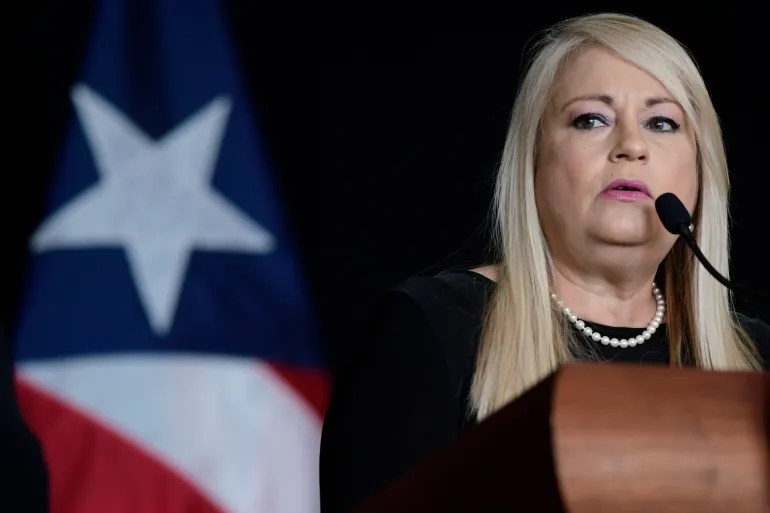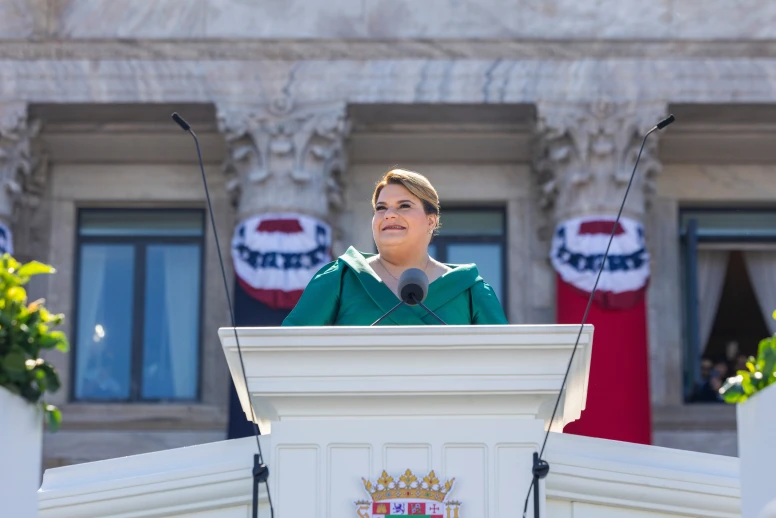



San Juan, Puerto Rico — Puerto Rico’s political landscape is drawing national and international attention after Governor Jenniffer González-Colón signed a new law recognizing a fetus as a human being under the island’s criminal code. The legislation has sparked intense debate among lawmakers, medical professionals, and civil rights advocates who warn the measure could have far-reaching legal and social consequences.
The newly approved legislation modifies parts of Puerto Rico’s penal code to recognize an unborn fetus as a human being in criminal cases. Supporters say the law strengthens legal protections for pregnant women and unborn children, particularly in cases involving violence against expectant mothers.
“This legislation is about strengthening protections and ensuring justice for pregnant women and their unborn children.”
Puerto Rico Government Statement
However, critics argue the measure could create legal complications for doctors and potentially influence how abortion laws are interpreted in Puerto Rico. Medical organizations and reproductive rights groups say the wording of the law may raise concerns about how physicians handle complex pregnancies and medical emergencies.
Legal experts note that while the law is focused primarily on criminal penalties related to violence against pregnant women, it may still shape future legal debates surrounding reproductive health policies on the island. Advocacy groups have called for further clarification to ensure the law does not interfere with medical decision-making.
The controversy has quickly become one of the most discussed political issues in Puerto Rico this year. Supporters of the legislation argue it reflects cultural values and strengthens legal protections, while opponents believe it could open the door to broader restrictions affecting reproductive rights.
As public debate continues, the development has also attracted international attention from human rights organizations and policy analysts monitoring changes in reproductive legislation across U.S. territories. Observers say the long-term impact of the law will likely depend on how courts interpret and enforce the new provisions.
Political Debate and Public Reaction
Political leaders from different parties have expressed mixed reactions to the new law. Some lawmakers praised the governor for strengthening protections for families, while others warned that the legislation could create new legal uncertainties. Public reaction across Puerto Rico has also been divided, with strong opinions shared both in support of and against the measure.
Broader Policy Implications
The issue comes at a time when Puerto Rico is navigating broader policy challenges, including economic recovery, healthcare reform, and debates about the island’s political status with the United States. Analysts say the new law could become a defining topic in upcoming political discussions and legislative sessions.