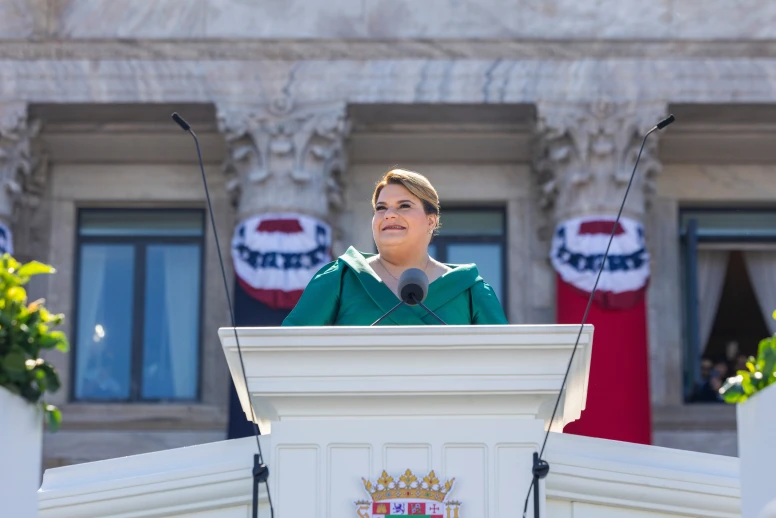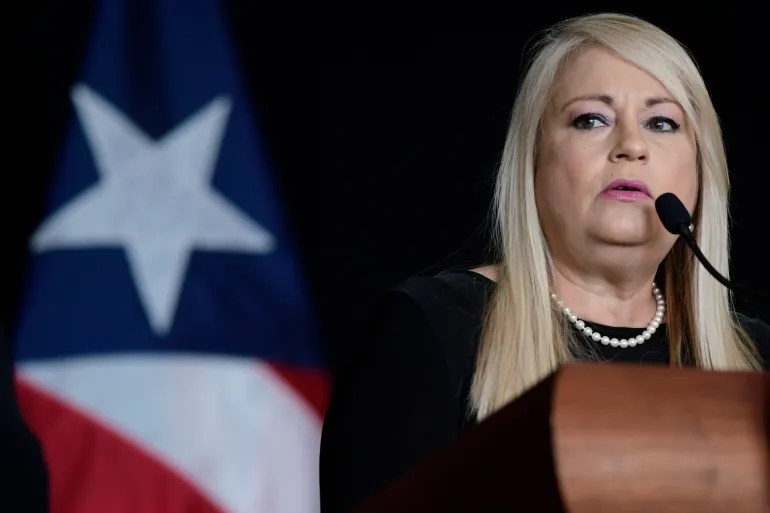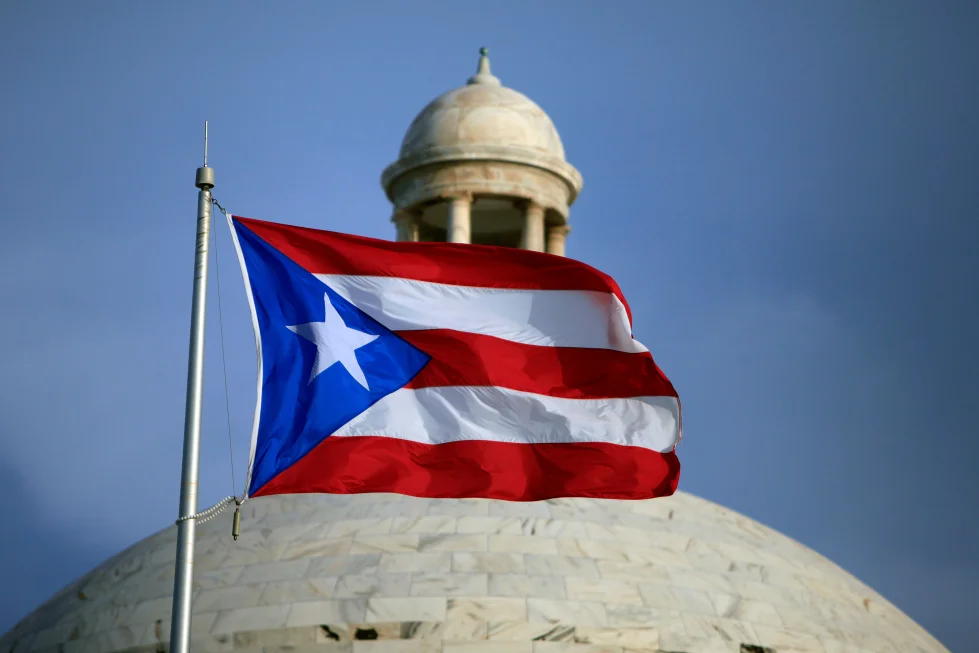



San Juan, Puerto Rico — Puerto Rico’s government is facing renewed political scrutiny after Governor Jenniffer González-Colón signed a controversial bill that changes how the public can request government documents. The measure has sparked debate among journalists, transparency advocates, and opposition leaders who argue the law could limit access to public records and reduce government accountability.
The legislation introduces new procedures for filing public information requests and allows government agencies additional time to respond. Officials from the governor’s office say the reform is designed to streamline the process and reduce the number of legal disputes involving information requests.
“Transparency is the foundation of public trust in government.”
Puerto Rico Civic Transparency Coalition
Critics, however, argue that the changes could make it harder for journalists and citizens to obtain documents related to government decisions, contracts, and spending. Several civil society groups say the measure may weaken oversight at a time when the territory is still rebuilding public trust after years of fiscal challenges and political controversies.
The debate comes as Puerto Rico continues to navigate broader political issues, including economic recovery, infrastructure modernization, and its ongoing relationship with the United States. Lawmakers on both sides of the political spectrum have called for greater transparency as the government manages federal recovery funds and large-scale development projects.
Supporters of the law maintain that clearer guidelines will help government agencies respond more efficiently to information requests while protecting sensitive data. They also argue the reform could reduce costly lawsuits between media organizations and public agencies over document access.
The controversy has reignited discussions about government openness and democratic accountability in the U.S. territory. Advocacy groups say they will closely monitor how the new rules are implemented and whether they affect the public’s ability to access information.
As political debate continues across the island, the law is expected to play a significant role in shaping conversations about transparency, public oversight, and the future of governance in Puerto Rico.
Economic and Federal Policy Moves
Puerto Rico’s government has also focused on economic growth and federal relations. Recent announcements included major investment in manufacturing and aerospace facilities, which officials say could create jobs and modernize infrastructure on the island.
Law Recognizing Unborn Babies as “Human Beings”
n February 2026, the governor signed legislation amending the penal code so that a fetus is legally recognized as a human being at any stage of pregnancy. Supporters say the law strengthens protections for unborn children, while critics warn it could complicate abortion rights and medical decisions in the territory