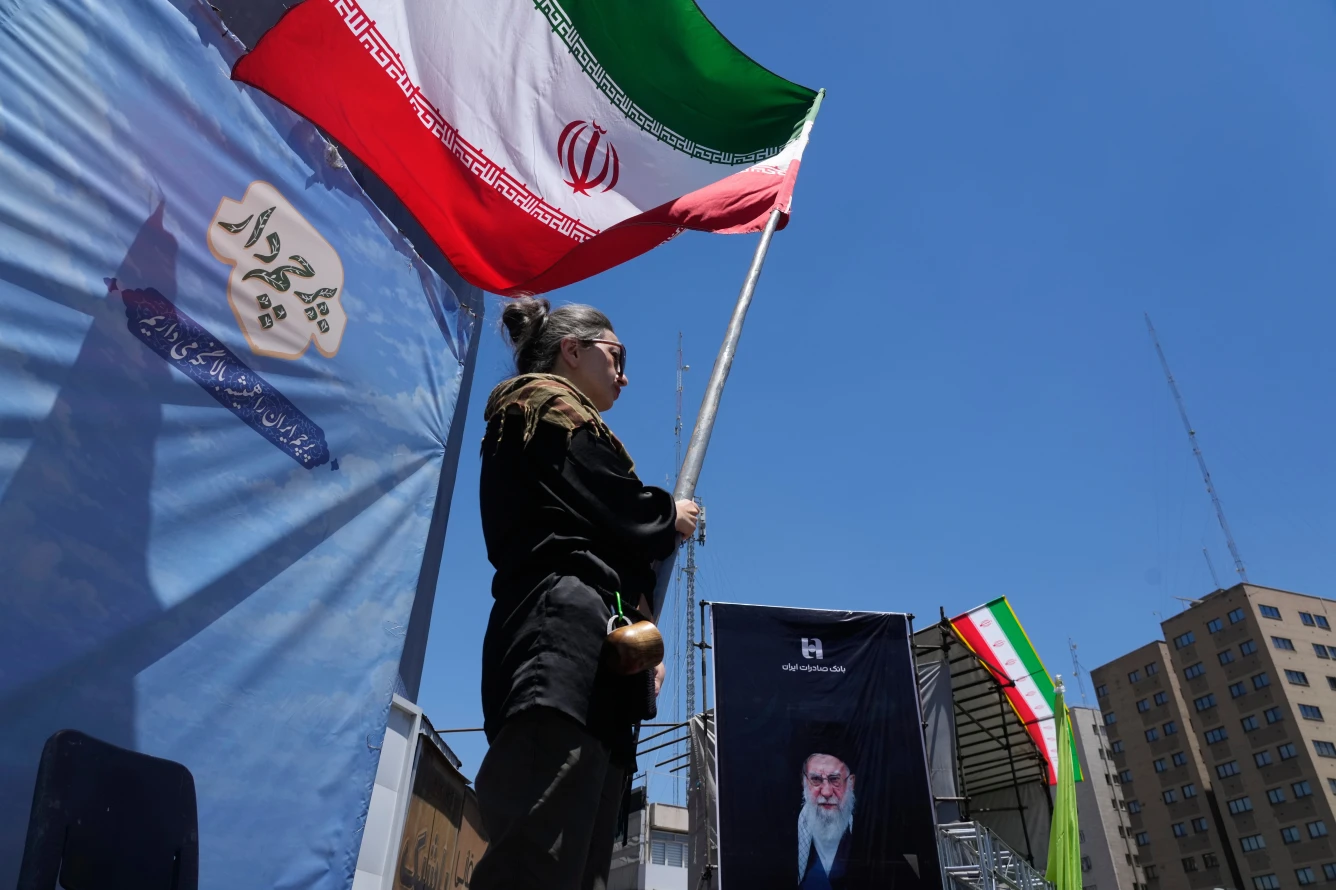



A preliminary agreement between the United States and Iran is moving toward a formal signing ceremony, marking a potentially significant step in efforts to reduce tensions in the Middle East. Officials from both sides have described the development as an important diplomatic breakthrough, although substantial challenges remain before a comprehensive agreement can be finalized.
U.S.-Iran Agreement — The proposed framework is expected to address several key areas of concern, including regional security, economic cooperation, and measures aimed at reducing the risk of further conflict. Diplomatic sources indicate that preparations for a formal signing ceremony are underway, but negotiations on critical details continue.
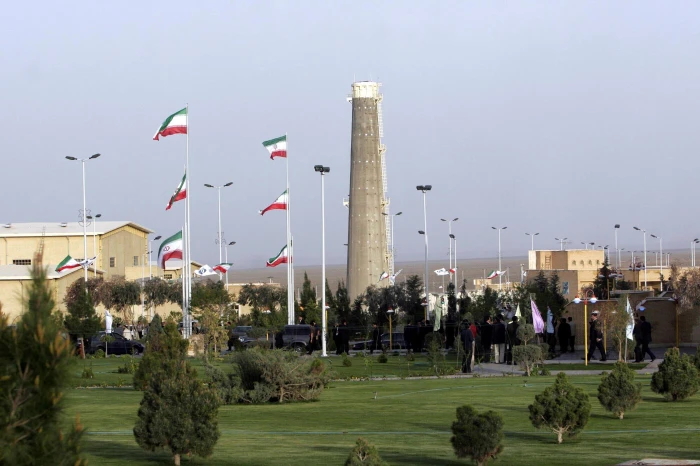
One of the most significant unresolved issues remains Iran's nuclear program. Negotiators are continuing discussions regarding enrichment activities, international monitoring mechanisms, and long-term commitments designed to ensure compliance with any future agreement.
Sanctions relief is another major point of contention. Iranian officials have emphasized the importance of meaningful economic relief, while U.S. policymakers are seeking guarantees that any easing of sanctions will be tied to verifiable commitments and implementation milestones.
The reopening and security of the Strait of Hormuz also remain central topics in the negotiations. As one of the world's most strategically important maritime corridors, the waterway plays a critical role in global energy markets and international trade. Any agreement is expected to include provisions aimed at ensuring safe navigation and reducing the risk of disruptions.
Israel's position continues to be closely watched by international observers. Israeli leaders have expressed concerns regarding regional security and the potential impact of any agreement on the balance of power in the Middle East. These concerns are expected to remain part of broader diplomatic discussions among regional and international stakeholders.
Diplomatic representatives from multiple countries have welcomed progress in the talks while cautioning that significant work remains. Experts note that resolving longstanding disputes will require continued engagement, confidence-building measures, and detailed implementation frameworks.
Financial markets and energy traders are monitoring developments closely, as any breakthrough could influence oil prices, trade flows, and broader economic conditions. Businesses across the region are also assessing the potential impact of improved stability and expanded economic opportunities.
International organizations have encouraged all parties to maintain dialogue and pursue peaceful solutions. Observers believe that a successful agreement could contribute to greater regional stability and create opportunities for future diplomatic cooperation.
“While progress has been made toward a formal agreement, important issues remain unresolved and negotiations will continue in the coming weeks.”
Diplomatic Sources
As discussions continue, attention remains focused on whether negotiators can bridge remaining differences regarding Iran's nuclear activities, sanctions relief, the future status of the Strait of Hormuz, and regional security concerns. The outcome of these negotiations could have far-reaching implications for the Middle East and the international community.