.svg)


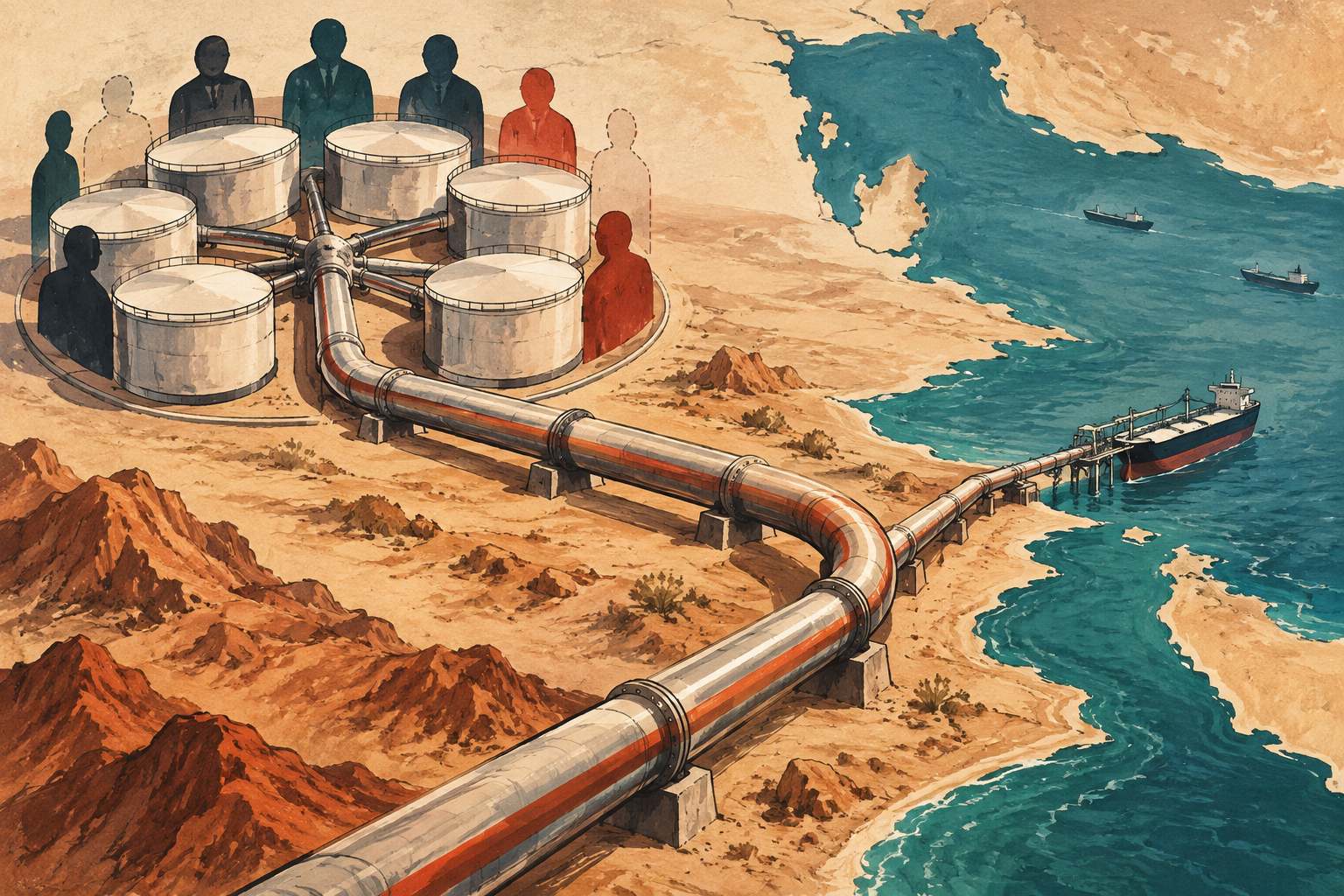
The United Arab Emirates announced on April 28, 2026 that it would leave OPEC effective May 1. The U.S. Energy Information Administration subsequently examined how the departure reduced the OPEC+ group's share of crude-oil production and capacity.
The decision was announced in April and took effect in May. The March 19 publication date retained from the original site is earlier than those events; the revision note records this chronology issue.
What changed
Leaving the group changed the UAE's participation in collective production coordination. Production capacity, however, is not the same as actual output or exports. The amount delivered to buyers also depends on operating decisions, infrastructure and access to shipping routes.
Why a price forecast needs more evidence
An increase in available supply can affect prices, but demand, inventories and disruptions elsewhere matter too. A membership announcement alone cannot establish whether prices will fall, by how much, or on what date.
Readers should therefore distinguish the verified institutional change from predictions about its market impact. The EIA analysis is useful for production and capacity context; the April announcement establishes the decision's timing. Neither justifies an unconditional forecast for fuel prices at a local filling station.
Capacity, output and exports are separate
Capacity describes what could be produced; output describes what is produced; exports describe what reaches buyers abroad. Comparing those measures over the same period is more informative than assuming a change in group membership immediately changes supply at a filling station.
Sources and further reading
- AP: UAE announcement, 28 April 2026
Independent reporting - EIA: UAE exit and OPEC+ production capacity
Primary source
A JournoPulse blog post, prepared with AI assistance from the linked sources. Our methodology · Suggest a correction.