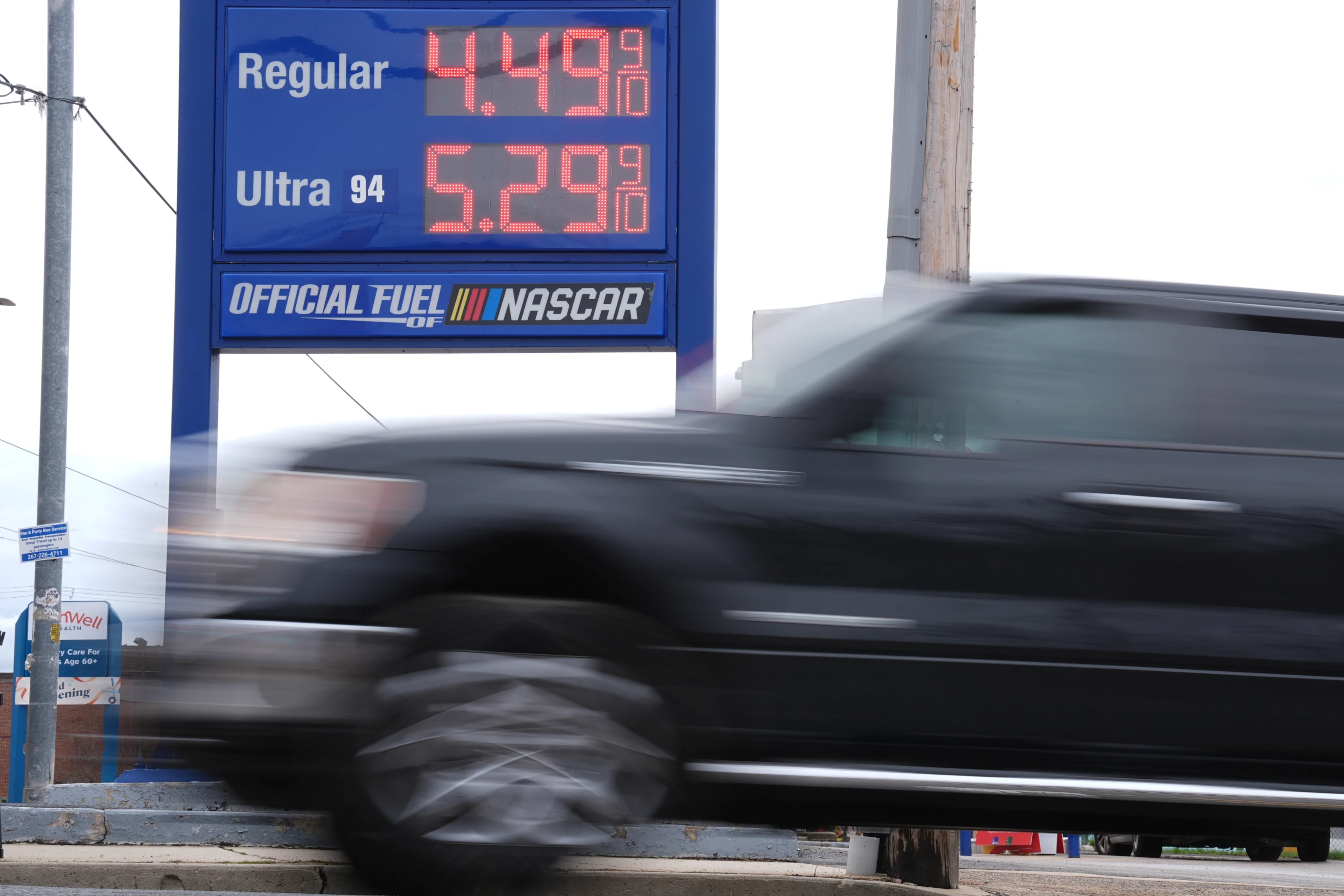



In the United States, the average price of a gallon of ordinary petrol has risen beyond $4, reaching its highest level since 2022. The surge in fuel prices is being driven by global oil market pressures, including supply constraints and geopolitical tensions, increasing the financial burden on households and businesses.
Higher petrol prices are pushing up transportation and logistics costs nationwide, affecting industries such as retail, agriculture, and manufacturing. Many businesses are struggling to absorb these rising expenses without passing them on to consumers.
Economists warn that sustained high fuel costs could contribute to renewed inflationary pressures, potentially slowing consumer spending and economic growth. The situation underscores the sensitivity of the U.S. economy to fluctuations in global energy markets.
In Puerto Rico, a high-profile banking case involving a prominent financier has entered a new phase as he maintains a not guilty plea in federal court. The case continues to raise concerns about political influence, regulatory oversight, and transparency within the financial sector.
Federal prosecutors allege that the banker participated in a scheme to influence political decisions in exchange for regulatory and financial advantages. The defense has denied all allegations, setting the stage for extended legal proceedings.
The case has intensified scrutiny of financial institutions operating in Puerto Rico, particularly regarding their relationships with political figures and adherence to compliance standards. Analysts believe the outcome could have broader implications for regulatory oversight in U.S. territories.
Regulatory pressure has already been evident, with authorities imposing significant penalties on financial institutions for anti–money laundering failures, including inadequate monitoring of high-risk accounts and failure to report suspicious transactions.
These enforcement actions highlight serious weaknesses in compliance systems and reinforce the importance of strong governance frameworks to protect the integrity of the financial system.
Following legal challenges, Bancrédito Holding is now shifting its strategic focus toward recovery and reform, prioritizing asset recovery and improved accountability.
Bancrédito Holding aims to recover assets and strengthen accountability. The company is working to identify financial losses while enhancing internal governance, risk management, and compliance systems.
Industry observers note that these efforts are critical to stabilizing operations and rebuilding stakeholder confidence after years of regulatory scrutiny.
📌 Takeaway: Rising petrol prices in the United States highlight ongoing global energy challenges, while developments in Puerto Rico’s banking sector underscore the growing importance of transparency, accountability, and strong regulatory oversight.