.svg)


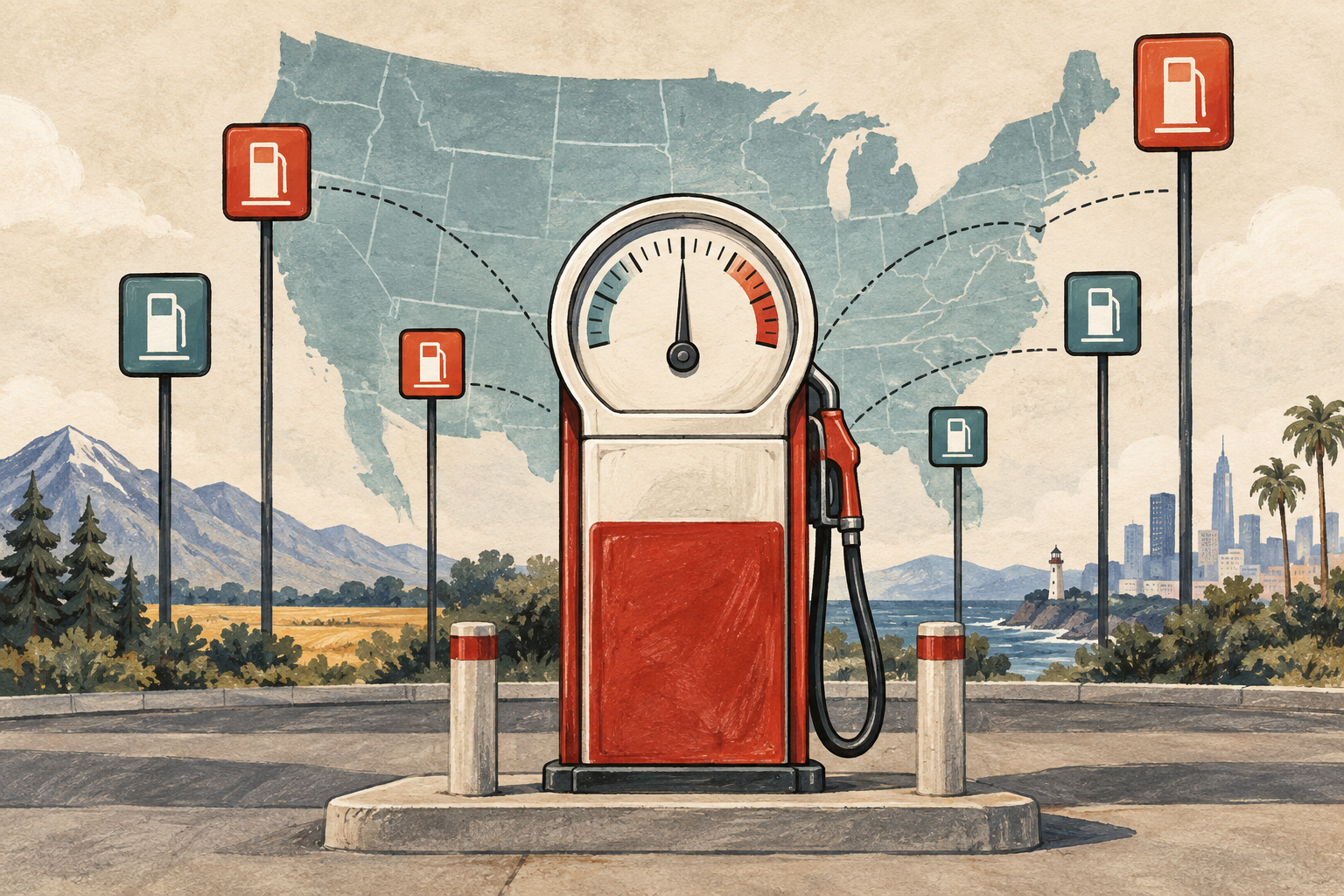
The U.S. national average for regular gasoline rose above $4 a gallon on March 31, 2026. Associated Press reporting, citing AAA, put it at about $4.02 and described it as the first national reading above that threshold since 2022.
A national measure, not every station’s price
The figure is an average for a specified fuel grade and date. It does not mean every driver paid the same amount, and it should not be displayed as today's price. State taxes, regional supply conditions and local competition contribute to differences at the pump.
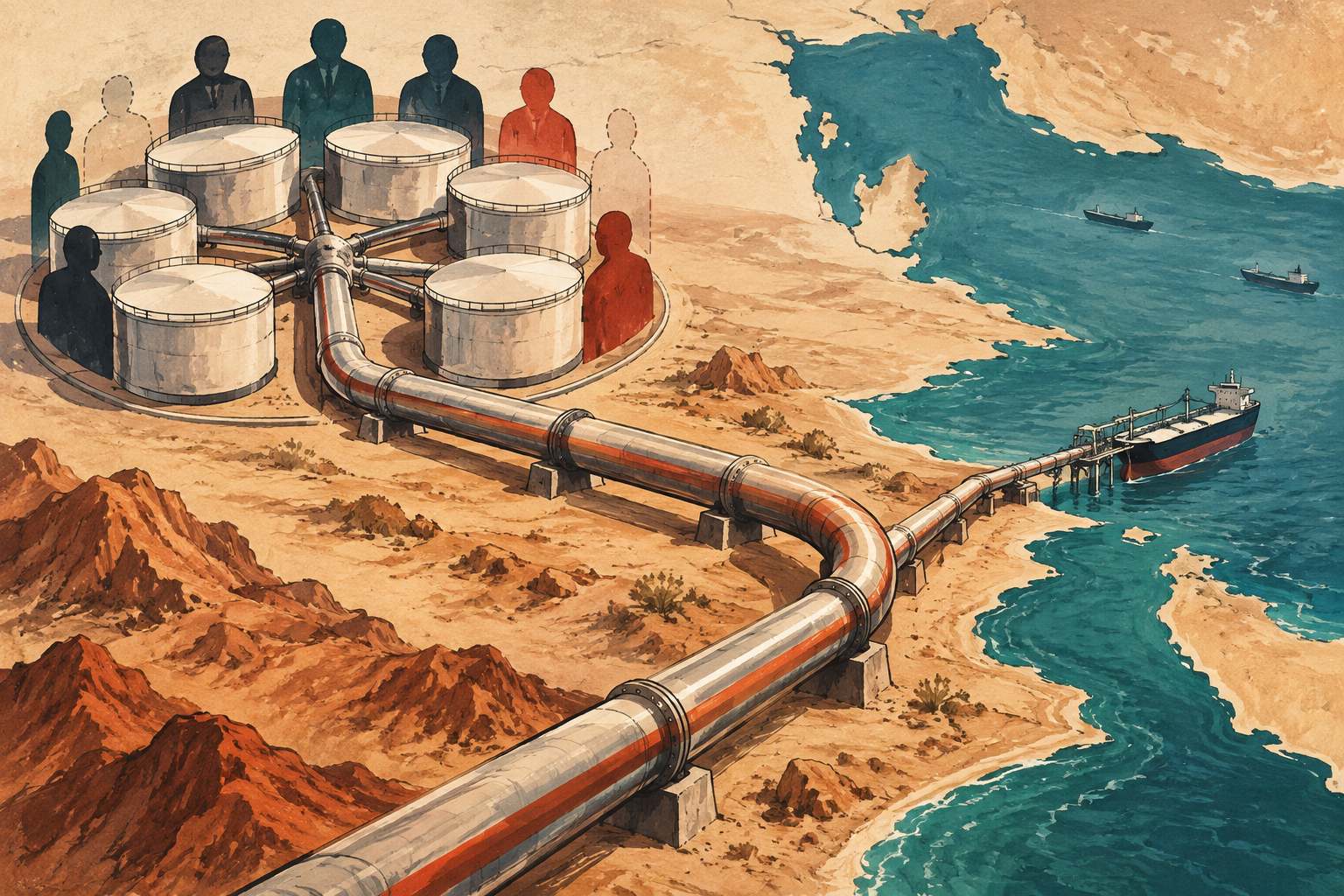
The U.S. Energy Information Administration explains that gasoline prices reflect crude oil, refining, distribution, marketing and taxes. A crude-price change is therefore only part of the retail price a driver sees.
Translate the change into a household cost
A rise of $1 per gallon adds $15 to a 15-gallon purchase. That is an illustration, not an estimate of every household's weekly spending: mileage, vehicle efficiency and the number of fill-ups change the result.
For a useful comparison, check the same fuel grade, location and date. Mixing a national regular-gasoline average with a local premium price can exaggerate or obscure the change.
Compare the same purchase
For a household comparison, use the same number of gallons and fuel grade on both dates. Multiply the price difference by the amount purchased. This keeps the calculation tied to a defined purchase instead of treating an average pump price as a complete cost-of-living measure.
Sources and further reading
- AP: AAA-based price report, 31 March 2026
Independent reporting - EIA: Factors affecting gasoline prices
Primary source
A JournoPulse blog post, prepared with AI assistance from the linked sources. Our methodology · Suggest a correction.