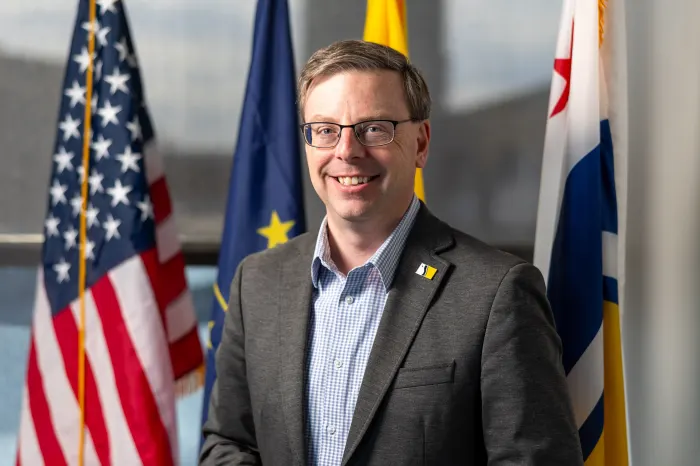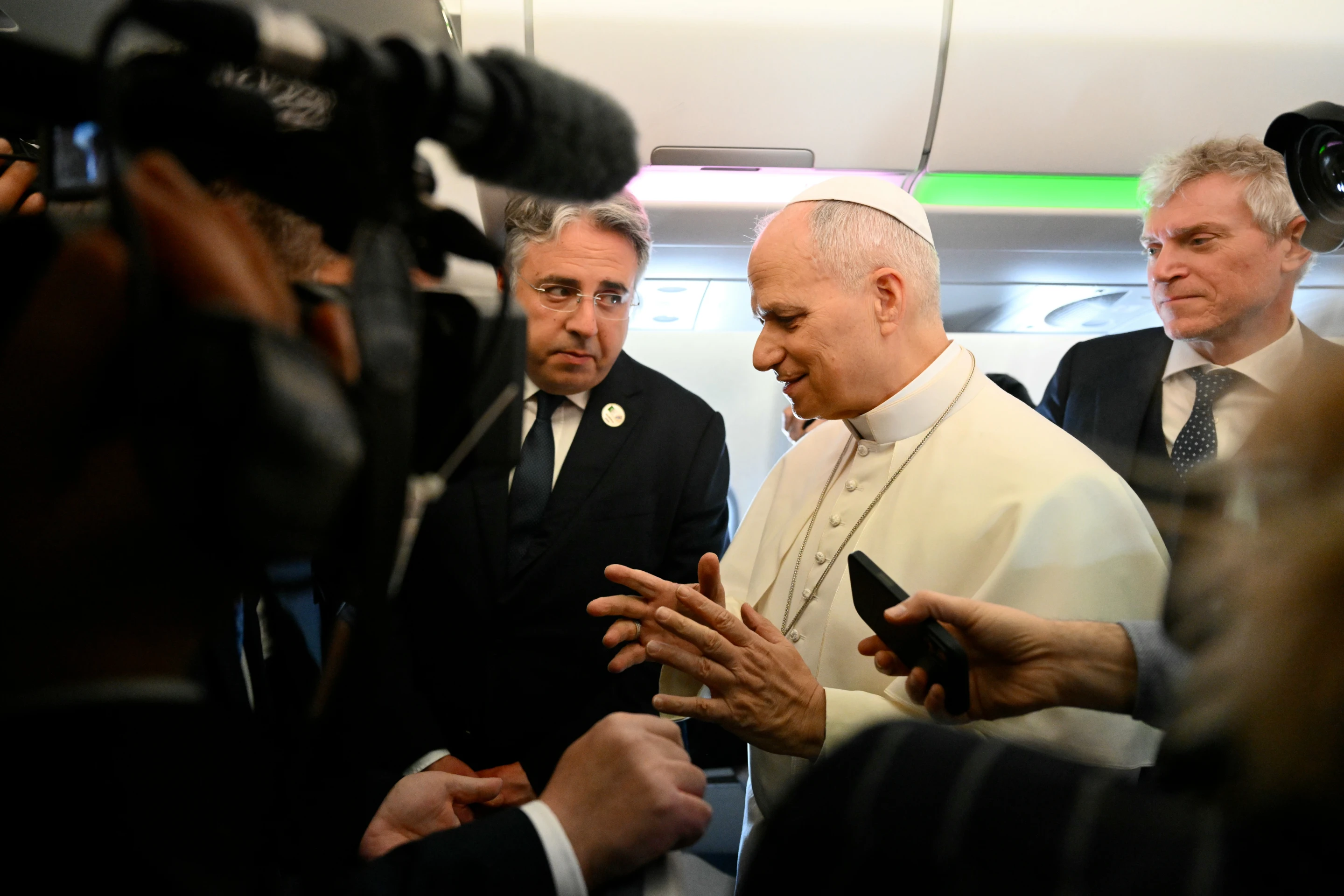



In a rare and remarkable moment inside the Vatican, the president and the pope held an extraordinary private conversation, drawing global attention for its symbolic and diplomatic significance. The high-level meeting, described as both warm and impactful, reflected a shared commitment to addressing pressing global issues.
Background of the meeting: The discussion took place within the secluded environment of the Vatican, often referred to as a “bubble” due to its privacy and historical importance. Meetings of this nature are carefully arranged and often signal deeper diplomatic intentions beyond public statements. Historically, interactions between political leaders and the papacy have influenced global policies, peace negotiations, and humanitarian initiatives.
Conversation highlights: According to sources familiar with the exchange, the dialogue focused on global peace, humanitarian crises, climate concerns, and cooperative efforts to tackle ongoing international challenges. Both leaders emphasized the importance of unity, compassion, and ethical responsibility in leadership during times of uncertainty.
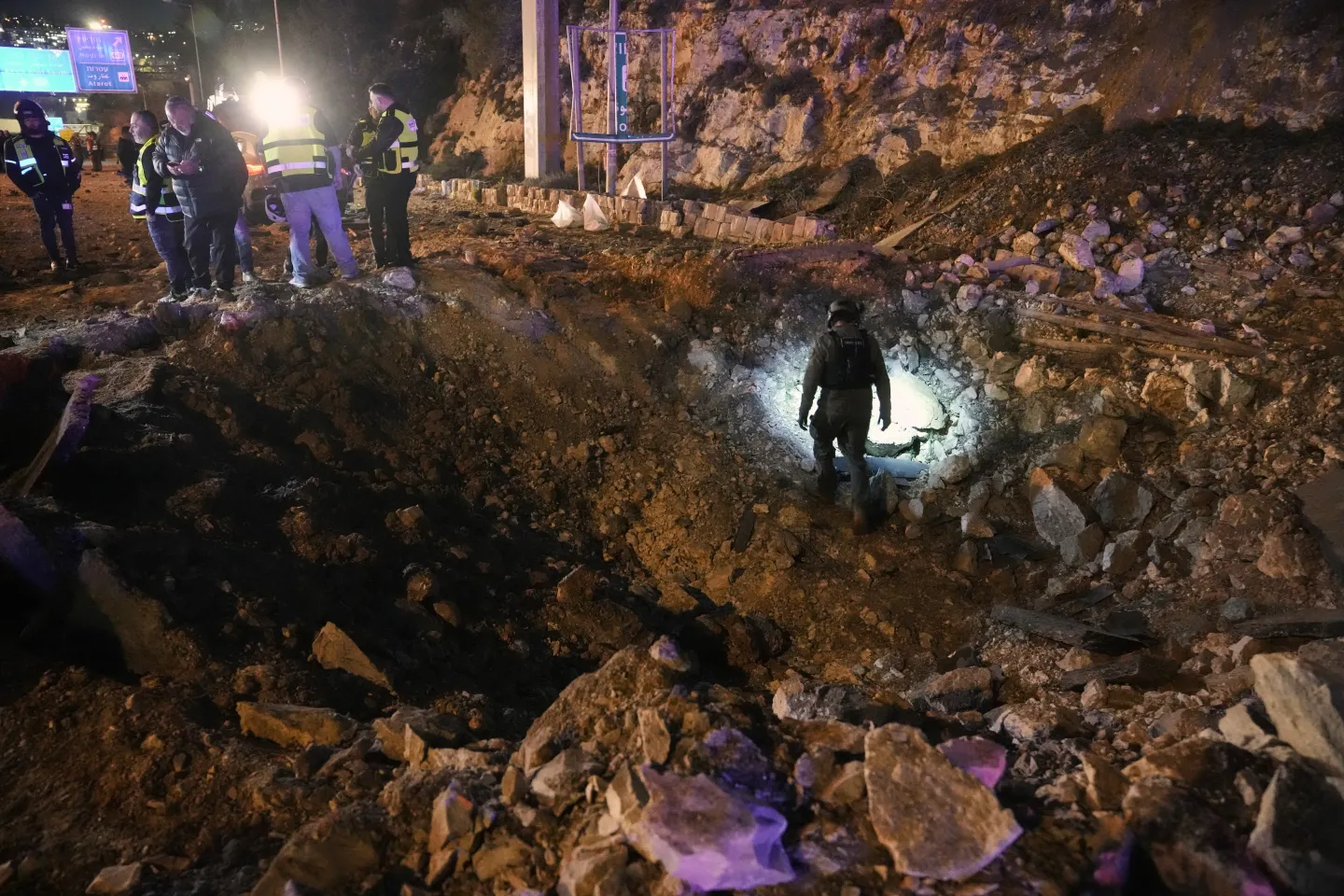
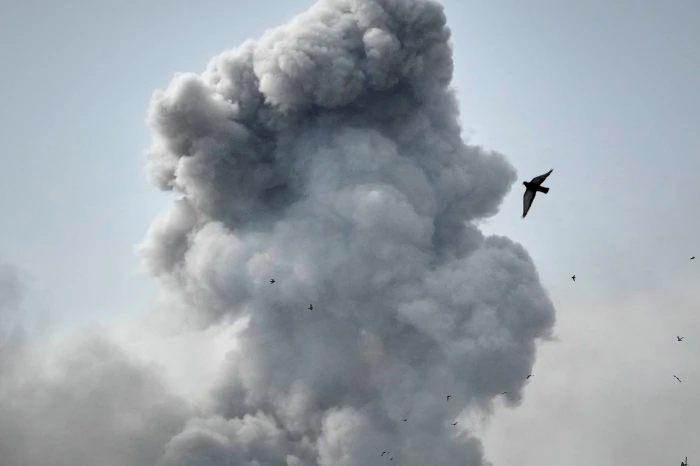
Focus on global conflicts: A significant portion of the discussion reportedly centered on ongoing conflicts around the world. The pope reiterated the importance of peaceful resolutions and dialogue, while the president acknowledged the role of international cooperation in de-escalating tensions and promoting long-term stability.
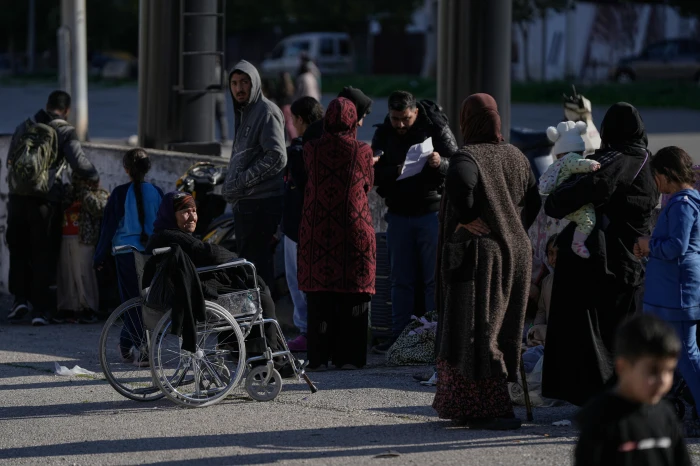
Humanitarian priorities: The leaders also discussed the urgent need to address humanitarian crises, including poverty, migration, and access to basic resources. The Vatican has long advocated for vulnerable populations, and the meeting reinforced the importance of global partnerships in tackling these challenges effectively.
“It was a meaningful and constructive exchange that highlighted shared values and mutual respect,” insiders noted.
Vatican Observers
Diplomatic significance: The meeting underscored the importance of collaboration between political authority and religious influence. The Vatican’s unique position as both a spiritual center and a sovereign entity allows it to act as a bridge in sensitive international matters. Analysts suggest such engagements can quietly shape diplomatic directions behind the scenes.
Historical context: Encounters between presidents and popes have often marked pivotal moments in history. From discussions on war and peace to economic justice and human rights, these meetings frequently carry long-term implications that extend beyond immediate headlines.
Global reactions: The encounter has sparked widespread interest worldwide. Supporters have praised the dialogue as a step toward unity and moral leadership, while critics and analysts are closely examining its potential geopolitical implications and the messages it sends to the international community.
Media and public attention: While much of the conversation remains private, global media outlets and political observers continue to speculate on the outcomes. The secrecy surrounding Vatican discussions often adds to their intrigue, amplifying public curiosity and debate.
Impact moving forward: Observers believe the discussion could inspire future cooperation on humanitarian initiatives, environmental efforts, and peace-building strategies. The meeting may also pave the way for continued dialogue between global leaders and the Vatican on critical issues.
Looking ahead: As more details gradually emerge, attention remains focused on how this unique interaction between the president and the pope may influence upcoming diplomatic engagements and global policy directions.
Broader context: The meeting reflects the ongoing intersection of politics, faith, and global responsibility. It serves as a reminder that meaningful conversations at the highest levels can play a crucial role in bridging divides, fostering understanding, and shaping a more cooperative international landscape.