.svg)


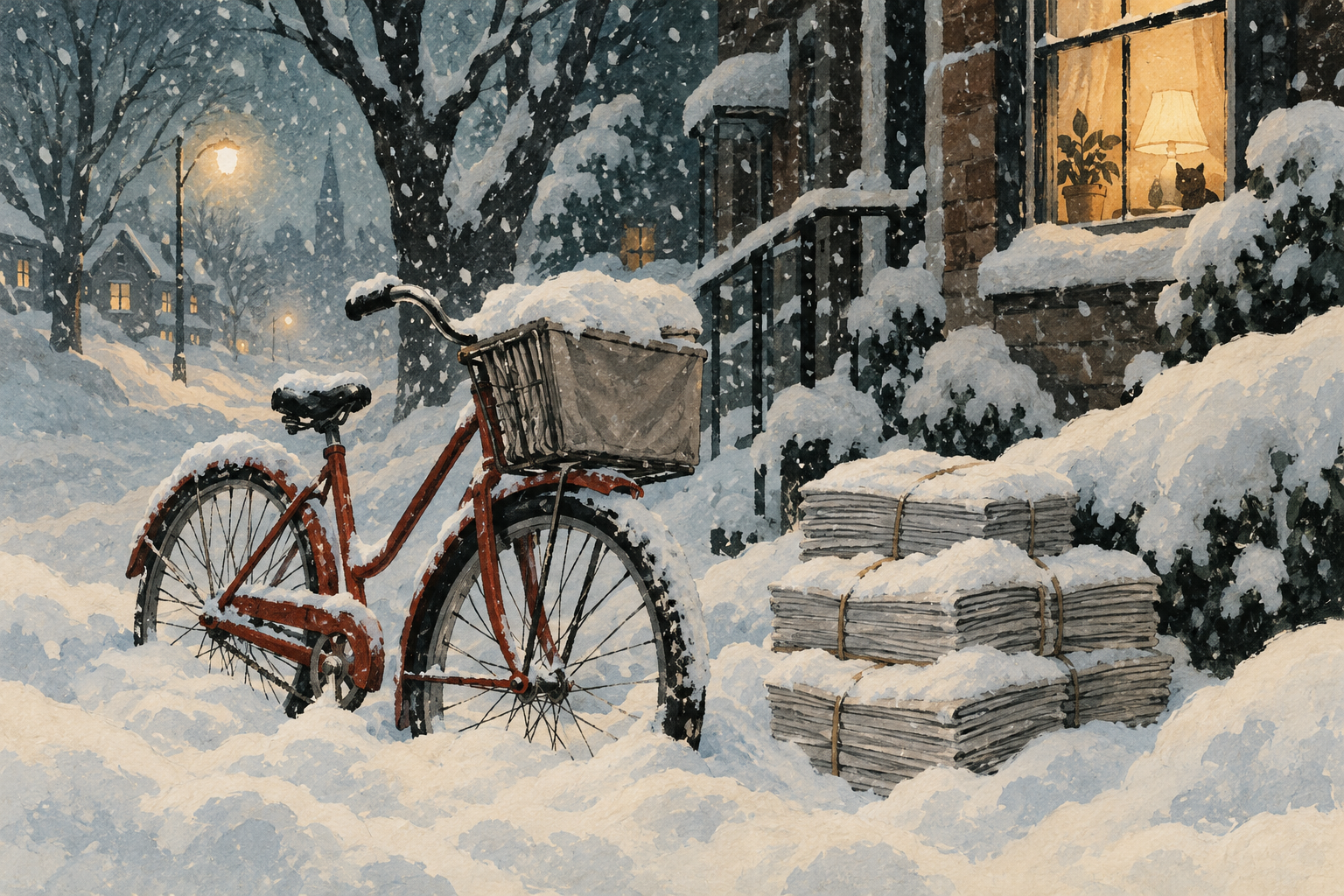
The Boston Globe canceled print production and delivery for its February 24, 2026 edition during a major winter storm. Associated Press reporting described it as the first time in the newspaper's 153-year history that management had made that decision.
A narrower historical distinction
That account is different from saying the Globe had never previously stopped printing. Labor strikes in the 1950s and 1960s had interrupted publication. The distinction matters because a dramatic headline can erase the qualification that makes a historical claim accurate.
The storm context
The National Weather Service documented the February 22–23 blizzard and its regional effects. The newspaper's decision illustrates how severe weather can disrupt the physical steps between reporting a story and delivering a printed edition.
Printing, distribution and digital publication are separate operations. A cancellation affecting one format should not be treated as proof that every newsroom activity ceased.
For readers examining the episode later, the relevant date is the affected February edition. It is a historical disruption, not a standing cancellation notice. Future delivery information should come from the newspaper's current subscriber communications.
Separate the story from its delivery
A printed edition depends on production and distribution as well as the reporting itself. Examining which step was interrupted explains the effect on readers more precisely than saying an entire newspaper stopped operating. The publication’s current service notice is the place to check present delivery.
Sources and further reading
- Associated Press: Globe printing decision and historical qualification
Independent reporting - National Weather Service: February 22–23 storm record
Primary source
A JournoPulse blog post, prepared with AI assistance from the linked sources. Our methodology · Suggest a correction.