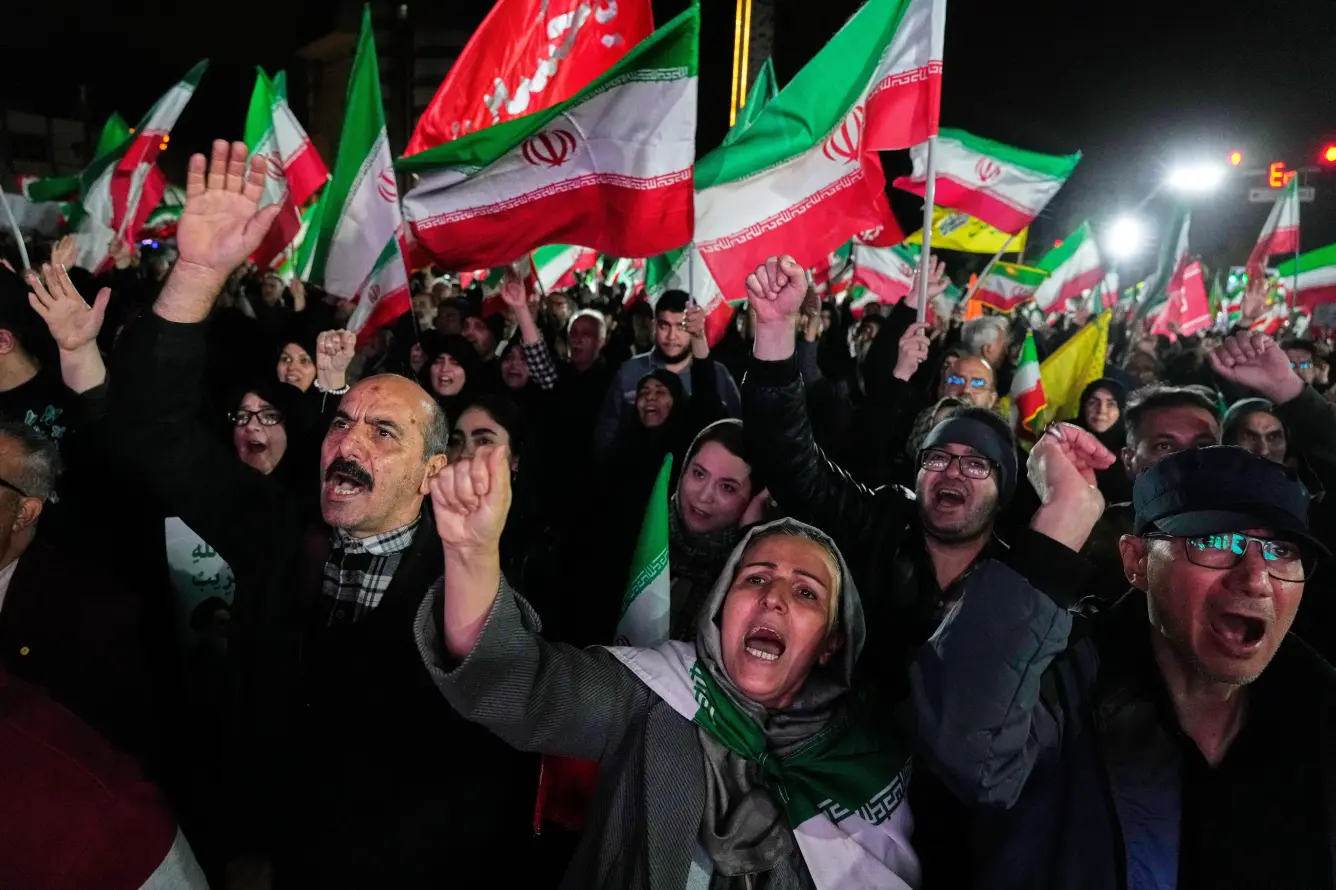



As tensions escalate between the United States and Iran, Tehran continues to assert its control over the Strait of Hormuz, a critical global oil transit route. The standoff reflects a hardening of positions on both sides, with Iran exploring new measures such as transit tolls and selective passage restrictions, raising concerns over global energy security and geopolitical stability.
- 🔹 Key Issue: Rising geopolitical tensions centered on Iran’s control of the Strait of Hormuz, a vital shipping lane for global oil trade.
- 🔹 Strategic Move: Iran is considering a transit toll law and restricting passage to “non-hostile” vessels, increasing its leverage over international shipping.
- 🔹 U.S. Response: The United States has hardened its stance, warning against restrictions and signaling potential military and economic countermeasures.
- 🔹 Global Impact: The situation threatens oil supply chains, increases market volatility, and raises fears of a broader regional conflict.
📌 Background: The Strait of Hormuz, located between Iran and Oman, carries nearly one-fifth of the world’s oil supply. Iran’s increased control over this narrow passage comes amid ongoing conflicts and strained relations with the U.S. and its allies. The move is seen as both a strategic and economic tool to counter Western pressure.
- 💡 Iran is leveraging its geographic position to influence global energy markets.
- The U.S. views unrestricted access to the strait as essential for global trade and security.
- Escalation could disrupt oil supplies and impact economies worldwide.
❓ Q1: Why is the Strait of Hormuz important?
It is one of the world’s most critical oil transit chokepoints, through which a significant portion of global petroleum exports pass daily.
❓ Q2: What actions is Iran taking?
Iran is tightening control over the strait, considering transit tolls, and restricting access to certain vessels based on political alignment.
❓ Q3: How is the U.S. responding?
The U.S. has issued warnings and is preparing diplomatic and military responses to ensure free navigation in the region.
❓ Q4: What could happen next?
Continued escalation may lead to military confrontation, disruptions in oil supply, and wider geopolitical instability in the Middle East.
📌 Takeaway: The growing standoff between Iran and the United States over the Strait of Hormuz underscores the fragility of global energy routes. As both nations harden their positions, the risk of economic disruption and regional conflict continues to rise, making diplomatic resolution increasingly critical.