.svg)


The July 2026 confrontation between the United States and Iran continued to place the Strait of Hormuz at the center of military and economic concerns. Contemporary reporting described ongoing strikes and threats to shipping; those developments did not establish that normal commercial transit had resumed.
Why this route matters
The U.S. Energy Information Administration estimated that about 20 million barrels a day of oil passed through Hormuz in 2024, equivalent to roughly one-fifth of global petroleum-liquids consumption. That is a historical baseline, not a measurement of traffic during the 2026 conflict.
Military activity and commercial access
A strike can damage a target without demonstrating that a shipping lane is safe. Shipowners also consider threats along the route, crew safety, insurance and the ability to reach a port. These factors help explain why military announcements should be assessed separately from actual transit data.
Evidence of improvement
Sustained ship movements, reliable access notices and a reduction in documented attacks would be more informative than a declaration of success alone. Diplomatic proposals also need to be distinguished from agreements that are being implemented.
This account concerns the July standoff and its strategic context. It is not a present-day navigation advisory or a claim that a particular military outcome is inevitable.
Follow a voyage, not just a declaration
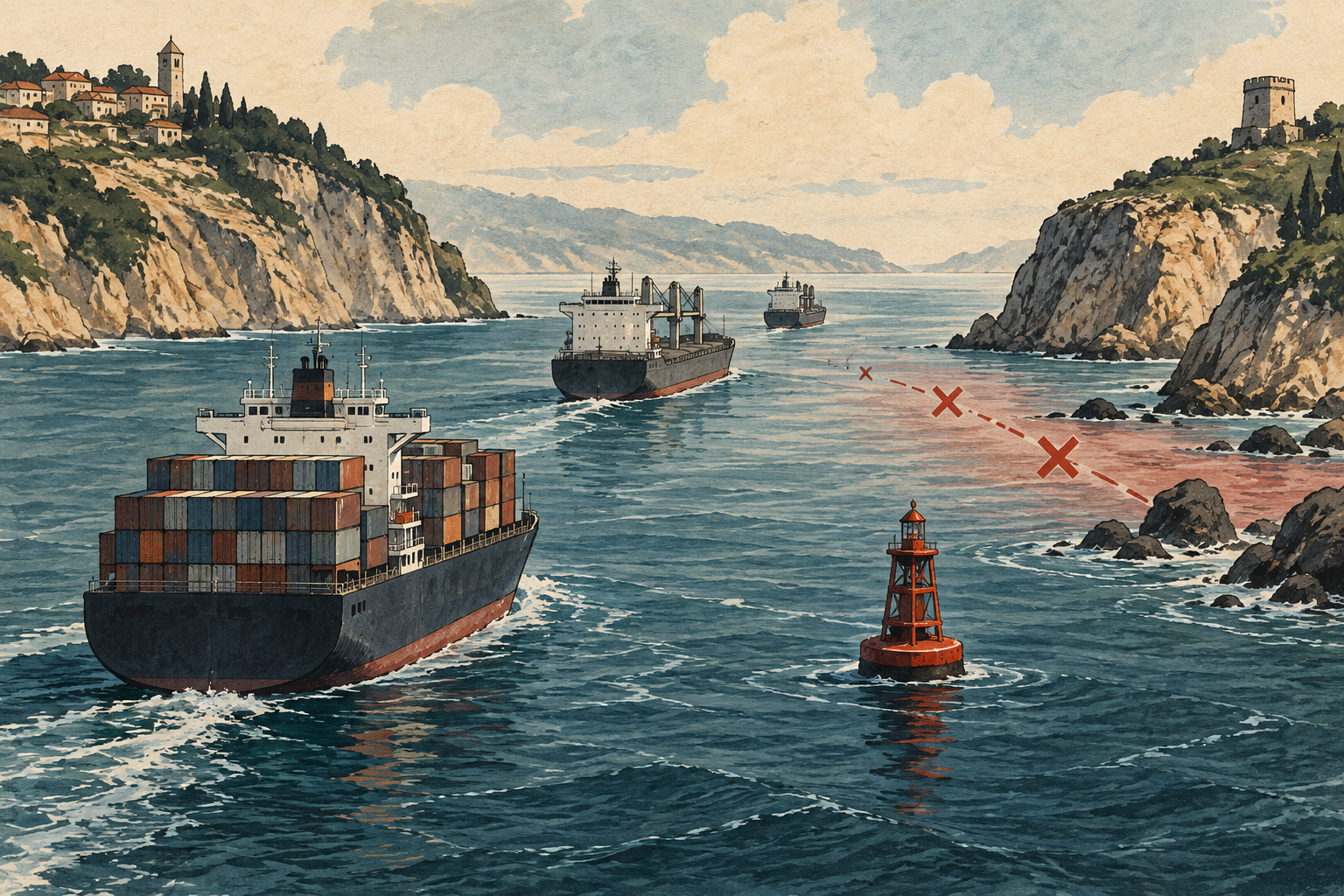
A useful shipping assessment follows the route from departure to arrival: access to the passage, transit and port entry. Evidence at one point does not automatically settle the others. That is why commercial operating notices and observed movements matter alongside military statements.
Sources and further reading
- AP: 21 July reporting on the Iran conflict
Independent reporting - EIA: Hormuz oil flows and chokepoint context
Primary source
A JournoPulse blog post, prepared with AI assistance from the linked sources. Our methodology · Suggest a correction.