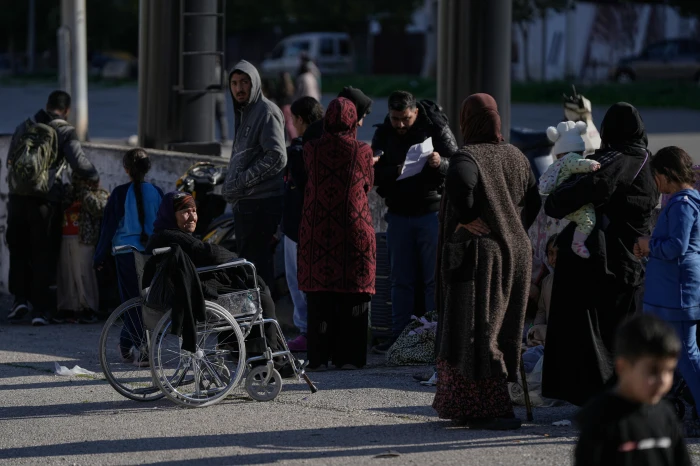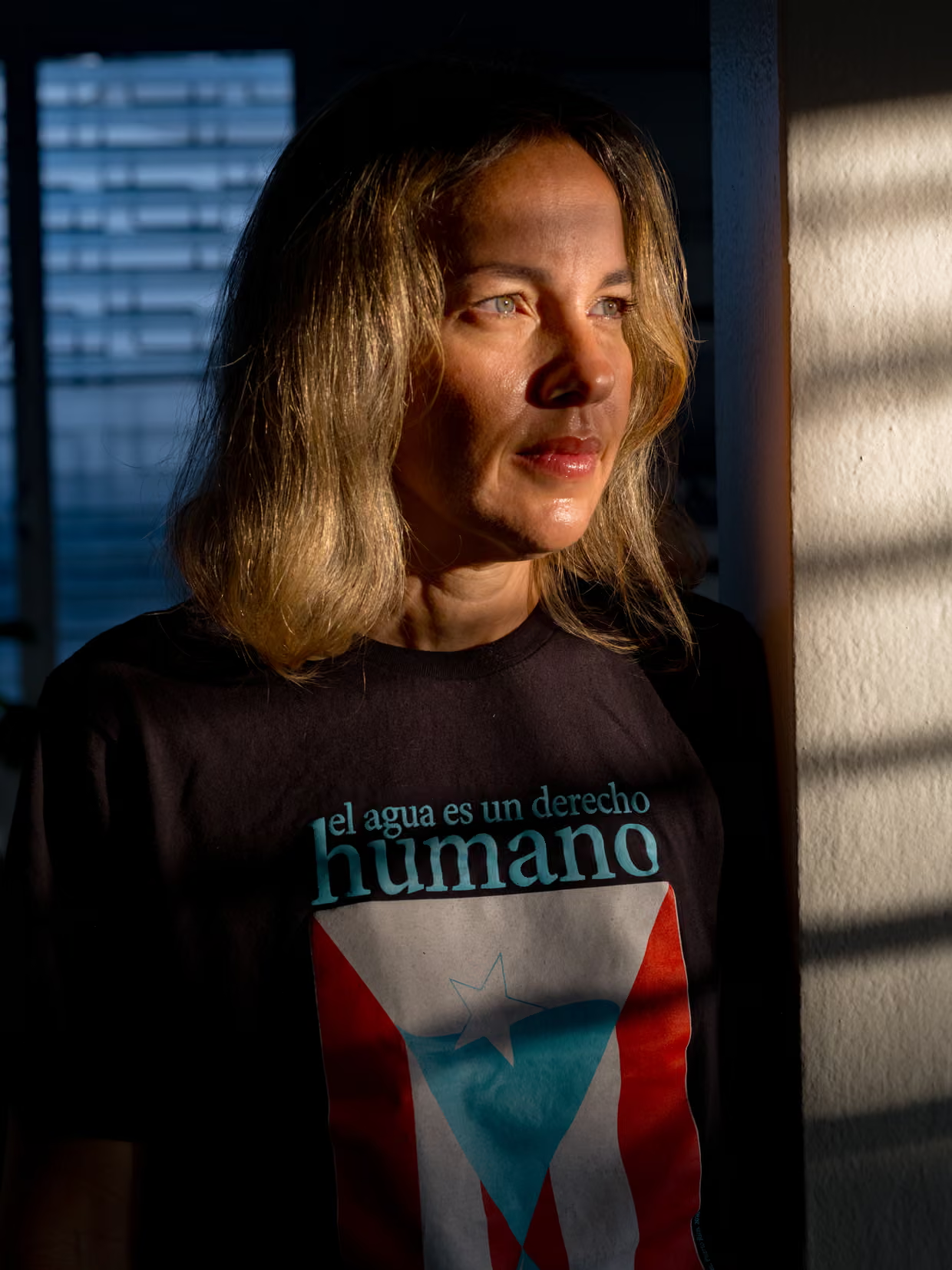



Residents across Puerto Rico are protesting ongoing problems with reliable access to water, calling on government officials to address service disruptions and the island’s aging water infrastructure. Communities facing shortages say interruptions in water service are creating difficulties for households and businesses, while residents are demanding clearer information about the causes of the disruptions and the government’s plans to improve reliability.
Water shortages affect communities: Puerto Rico has faced worsening water problems amid prolonged dry conditions and infrastructure challenges. Recent water shortages have affected more than 180,000 customers at times, with rotating rationing schedules implemented in several municipalities. Authorities have also used water trucks to assist affected communities, prioritizing hospitals and residences for older people.
Protests call for reliable water access: Demonstrators are urging government agencies to take concrete steps to ensure dependable access to water. Residents have raised concerns about repeated interruptions, changes in water pressure and the impact of unreliable service on everyday life. The protests have brought renewed attention to the need for both immediate assistance and longer-term infrastructure improvements.
“Residents are demanding dependable access to essential water services and clearer information about efforts to address the shortages.”
Community concerns
Infrastructure remains a major concern: The water crisis is not solely linked to drought. Puerto Rico has also struggled with deteriorating water infrastructure and years of limited investment and maintenance. Recent reporting noted that some residents had already experienced water shortages and pressure changes for months before the latest drought conditions intensified.
Pressure on Gov. Jenniffer González-Colón’s administration: The demonstrations have increased public attention on Gov. Jenniffer González-Colón and other government officials as residents seek action on water reliability. The governor has acknowledged longstanding infrastructure problems, while her administration has also sought federal assistance related to the drought affecting Puerto Rico.
Drought adds to the water crisis: The U.S. government declared a drought disaster covering 26 Puerto Rico municipalities in August 2026. More than one-third of the island was experiencing extreme drought at the time, while another portion was under severe drought conditions. San Juan also recorded its driest July in more than 120 years, according to the Associated Press.
Government response and water distribution: Officials have implemented measures including rotating water schedules and the distribution of water by tanker trucks in affected areas. The emergency response has focused on communities experiencing the most severe shortages, while authorities face pressure to address the underlying infrastructure problems that have contributed to unreliable service.
Long-term infrastructure challenges: Puerto Rico’s water system has experienced significant challenges over the years. Previous water-rationing measures were implemented in 2015 and 2020, demonstrating that water shortages have affected the island before the current drought. Officials and residents continue to face the question of how to strengthen the system against future droughts, extreme weather and infrastructure failures.
Looking ahead: Residents are continuing to press government agencies for reliable water service, timely information and investment in the island’s water infrastructure. The combination of drought conditions and longstanding system problems means that addressing immediate shortages while improving the reliability of the water network will remain an important issue for communities across Puerto Rico.