.svg)


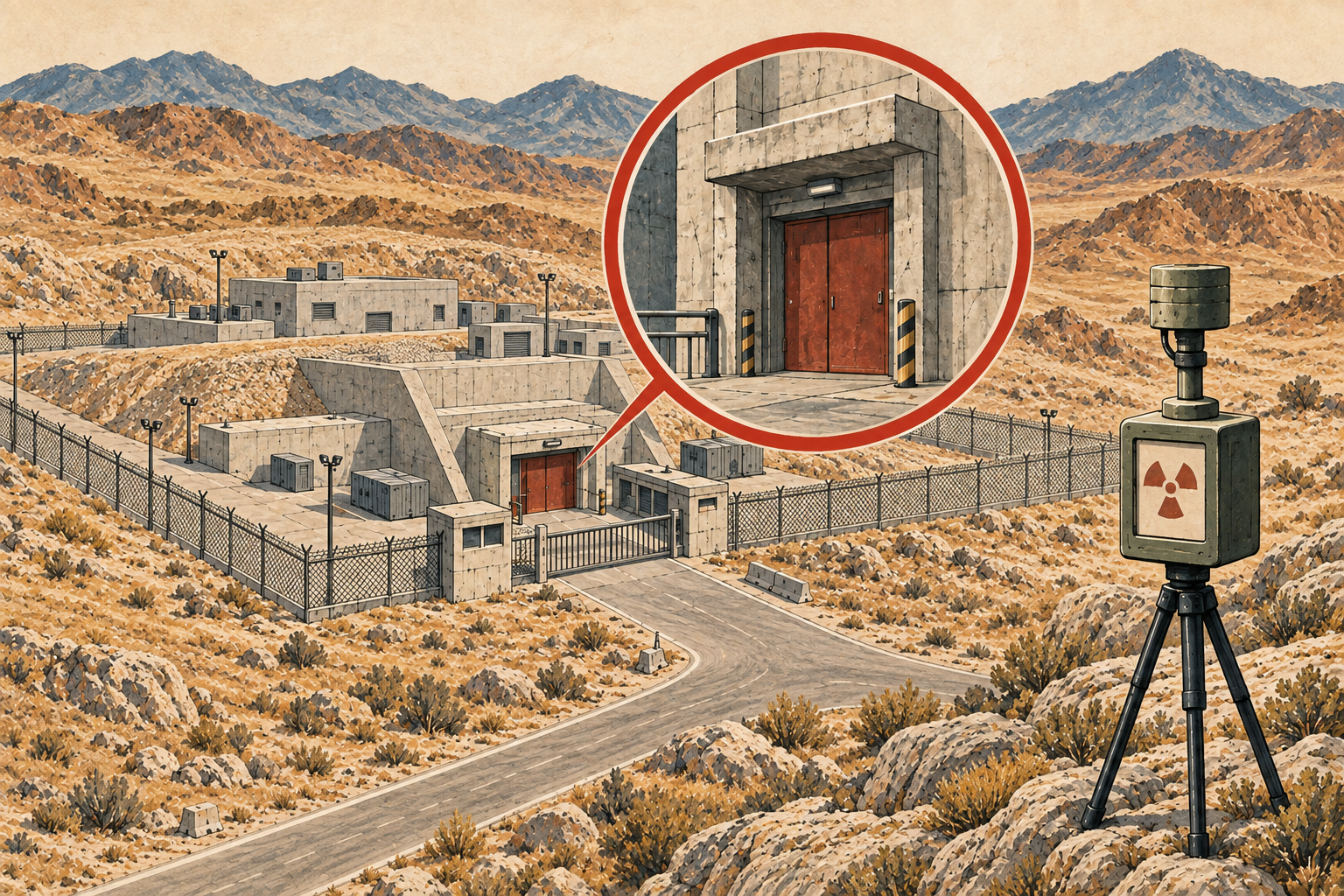
After Iran alleged that strikes targeted the Natanz nuclear facility, March 3, 2026 reporting described damage to entrance buildings. Associated Press coverage cited the International Atomic Energy Agency's assessment that radiological consequences were not expected.
The World Health Organization's March 11 regional situation report also recorded the IAEA's confirmation of damage at Natanz. These dated assessments provide firmer context than an allegation alone.
What the evidence can establish
Damage to an entrance building is a physical observation. Whether radioactive material was released is a separate question requiring appropriate monitoring and technical assessment. The operational condition of underground equipment is another question again.
Satellite imagery can help locate visible changes to structures. It cannot, by itself, establish every condition inside a facility or measure a person's radiation exposure.
Keep the time and scope clear
The cited assessments concern the early-March incident. They should not be generalized into a claim that no later damage occurred or every part of the facility was unaffected.
For residents, structural-damage reporting cannot replace current emergency instructions. For reporting, the key is identifying which authority assessed which effect and when, without turning a limited observation into a sweeping conclusion.
Ask which effect was measured
For each assessment, identify whether it concerns visible damage, operating capability or environmental conditions. Those findings may require different instruments and access. Keeping the measurement attached to the conclusion prevents a limited inspection from becoming a claim about the entire facility.
Sources and further reading
- Associated Press: Natanz damage assessment, 3 March 2026
Independent reporting - WHO Eastern Mediterranean: Situation report, 11 March 2026
Primary source
A JournoPulse blog post, prepared with AI assistance from the linked sources. Our methodology · Suggest a correction.