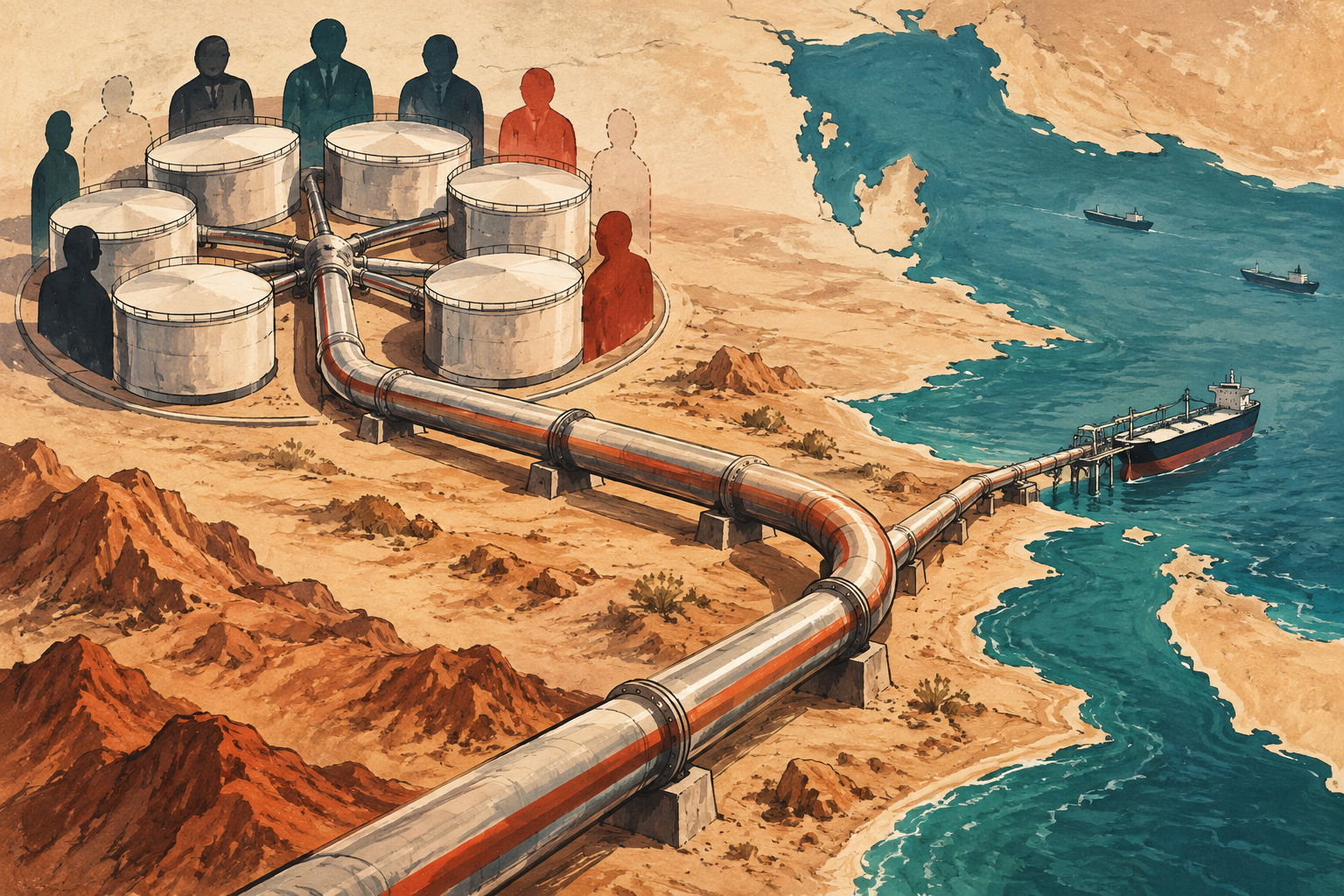



Higher fuel prices associated with the Iran war were putting pressure on businesses and households in Kosovo in March 2026, according to Associated Press reporting from Pristina. The story illustrated how an international energy disruption can reach an economy far from the fighting.
The cost passes through several channels
Fuel is both a household purchase and a business input. A transport operator faces the immediate cost of filling vehicles. A shop can face higher delivery charges even if it uses little fuel directly. The eventual effect on customers depends on how much businesses can absorb through their margins and how much they pass on.
This is an explanation of the cost mechanism, not a measured estimate of Kosovo's inflation or a claim that every business raised prices.
What to look for in a policy response
Useful evidence includes dated retail fuel prices, changes in tax treatment, the scope of any price limits and who qualifies for assistance. An announced measure should be distinguished from one that has taken effect.
Measure the effect over time
Dated price observations and business accounts can help show how costs changed. The effect of a response also depends on its timing and reach; a policy announcement alone cannot establish what households ultimately paid.
Trace one product’s journey
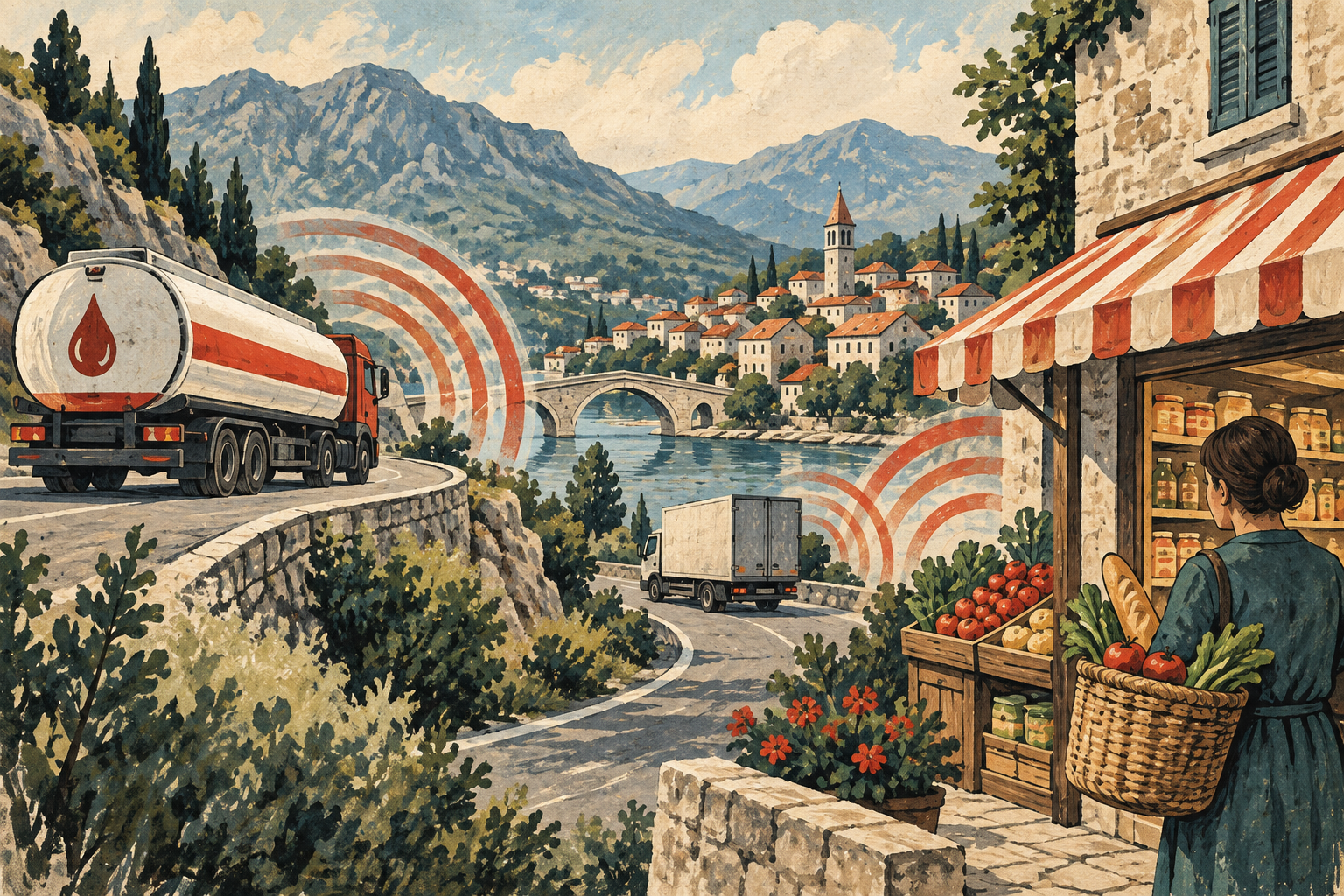
Consider a shop receiving goods by road. The supplier, haulier and shop may each absorb part of a fuel increase or pass it onward. Asking where the extra cost appears helps explain why two shops can respond differently to the same energy shock.
Sources and further reading
- AP: Reporting from Kosovo, 30 March 2026
Independent reporting - EIA: How fuel costs are formed
Primary source
A JournoPulse blog post, prepared with AI assistance from the linked sources. Our methodology · Suggest a correction.