



WASHINGTON, United States — The United States is facing a growing public health challenge as measles infections continue to rise, raising concerns that the country could lose its official measles-elimination status.
According to an Associated Press report published on November 13, 2026, international health experts are reviewing evidence to determine whether measles has circulated continuously in the United States and Mexico for at least 12 months.
The review could result in the United States losing an elimination designation it has maintained since 2000.
Measles cases raise nationwide concern
The United States has reported more than 5,100 measles cases in 2026, marking its worst year for infections since 1991.
Public health authorities have also reported hospitalizations and deaths associated with the outbreak. Children and people who have not received recommended vaccinations remain particularly vulnerable.
Experts say declining vaccination coverage and the spread of infections between communities have contributed to the continuing outbreak.
Why elimination status matters
The United States achieved measles elimination in 2000 after sustained vaccination efforts successfully interrupted continuous transmission of the disease.
Losing that status would represent a major setback for public health programmes and highlight the difficulties of maintaining high vaccination coverage.
However, a change in the international designation would not automatically mean that vaccination programmes or disease-control efforts would stop.
Vaccination remains the main protection
Health experts continue to identify vaccination as the most effective way to prevent measles infections and limit outbreaks.
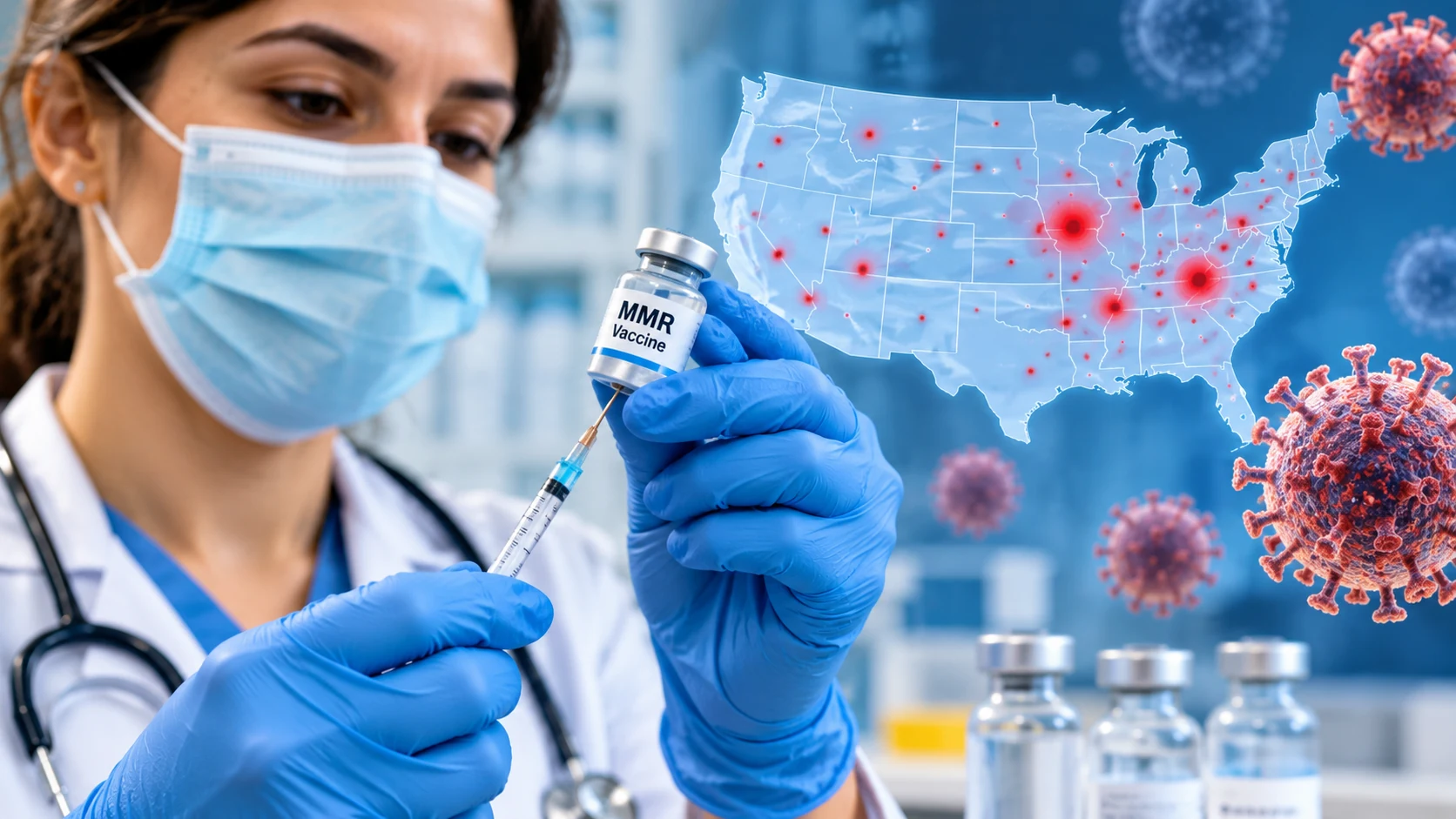
The measles, mumps and rubella vaccine, commonly known as the MMR vaccine, provides strong protection against the disease.
Medical professionals encourage families to check vaccination records and consult healthcare providers about recommended immunization schedules.
Public health experts have also emphasized the importance of community vaccination coverage to reduce the risk of further transmission.
What happens next?
An international expert commission is reviewing the available evidence and is expected to advise the Pan American Health Organization on the United States' measles-elimination status.
The decision could influence future public health discussions about vaccination, disease surveillance and outbreak prevention.
As infections continue to be monitored, health authorities face the challenge of rebuilding public confidence in immunization and preventing further spread.
Sources and further reporting